The Gift-Giving Paralysis: How To Buy Something Thoughtful When You Have No Idea
We’ve all been there. The calendar flashes the date, a mandatory celebratory milestone looms—a birthday, an anniversary, Father’s Day, or just ‘because’ day—and the crushing weight of expectation settles on your shoulders. You are staring at Amazon Prime suggestions and gift registry pages that feel less like curated ideas and more like beige evidence of mass consumption.
You open Google, type in something vague like "best thing to buy for him," and you land here: The best way to solve the ‘no idea what to buy’ dilemma.
It suggests this problem is solved by a single magic formula—a Venn diagram intersection of budget, taste, and occasion. But gift-giving isn't math; it’s empathy. It's an act of translation, where you take abstract feelings ("I appreciate your dedication," "You deserve to relax") and turn them into tangible forms.
If the struggle is feeling overwhelmed by choice, the solution isn't to shop harder. The solution is to change how you think about the gift itself. It needs to stop being seen as an object and start being viewed as a curated experience.
Shifting Focus: From Stuff to Sentiment
The biggest mistake we make when shopping for others is focusing on the thing. We fixate on the brand, the size, or the material—the item that looks expensive enough to justify the effort. But true thoughtfulness rarely comes from pure monetary value; it comes from precision.
Think of your gift like a conversation you are having with your loved one, but without the benefit of their immediate response. You aren’t trying to buy them a watch or a gadget; you are trying to purchase a feeling—the feeling of being seen, understood, and pampered.
How do you capture that elusive feeling? By gathering evidence. Instead of starting with "What can I give him?", start by asking yourself: "What does he talk about when no one is listening?"
- Does he always seem to be complaining (lightly!) about needing a better Saturday morning ritual?
- Does he pause mid-sentence while describing a meal or a type of coffee, genuinely enjoying the details?
- Is there a corner of his life—a hobby, a routine, an activity—that deserves more polish and attention?
The Art of Micro-Observation: Your Gift Detective Work
If you are truly stuck, stop looking at gift sites entirely. Instead, become a detective of your own relationship. This requires zero spending but yields 100% better results.
Instead of asking general questions like "What do you like?", try these highly specific prompts that force detail and reveal true passions:
- "If you had an unexpected three hours this Saturday, paid for, and completely free, what would be the ideal use of that time?" (This reveals energy levels and preferred environment—indoors, outdoors, active.)
- "What’s one thing you genuinely look forward to when you get home at the end of a long week?" (This points to comfort, ritual, or relaxation needs.)
- "If money were no object, what single 'upgrade' would make your current routine 20% better?" (This helps identify friction points in their daily life—a squeaky chair, weak coffee, dull kitchen knife.)
The answer to these questions rarely points to a specific purchase; it points to an area of delight. If the answer is "better Saturday mornings," the gift isn't just coffee; it's the whole ritual: the local roast, the perfect mug, and perhaps a gourmet accompaniment.
The Power of Curation: When Choice Paralysis Strikes Hard
Let’s face it: sometimes you are genuinely time-starved. Life happens. You have to buy an impressive, thoughtful gift for someone important, but your brain is running on fumes after work, juggling commitments, and remembering five different names. This is when the concept of curation becomes your closest friend.
Curation, in this context, means you are buying not just items, but a narrative. It’s the expert hand-picking of complementary pieces that tell a story of quality and enjoyment.
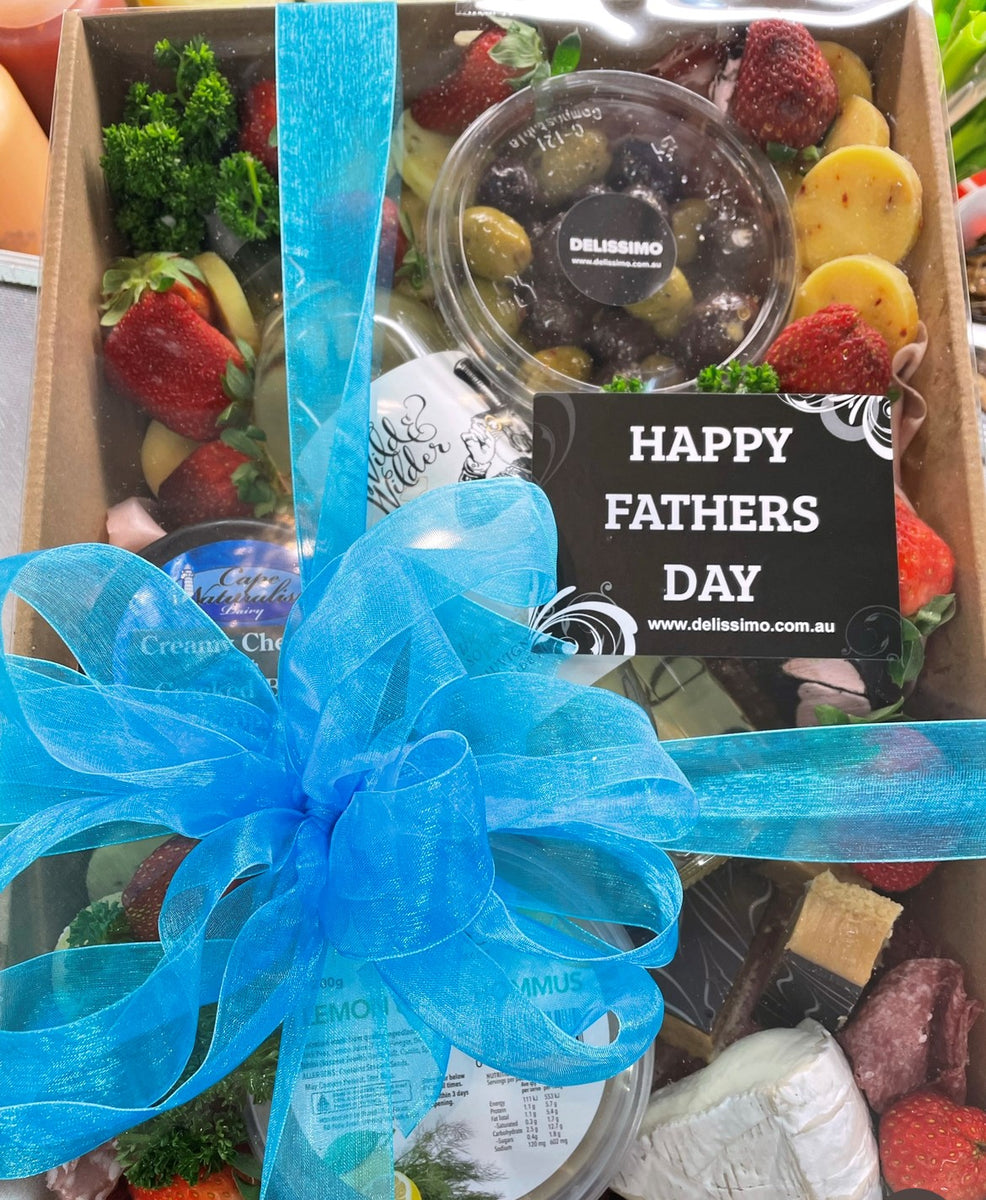
This is where gourmet gift boxes shine. They solve the dilemma by doing all the deep detective work for you. An expertly assembled box isn't just https://andykjma379.quillnesty.com/posts/curating-the-perfect-gift-solutions-for-dads-with-unique-hobbies a random assortment; it’s a carefully calibrated journey: perhaps an Australian artisanal cheese paired with premium crackers, accompanied by a small jar of native honey and a bottle of local olive oil.
The beauty here is that the gift itself becomes the 'I thought about this' message. You don't have to prove how much you know him; you just have to present something beautifully assembled that screams: This was put together with care, designed for maximum enjoyment. It’s a shortcut to feeling thoughtful.
Making it Feel Personal (The Final Polish)
Remember the quote by gift-giving experts, "The best gifts are those that make people feel seen."
No matter Personalised Mug what path you take—whether through deep observation or through a perfectly curated Australian gourmet hamper—the final step is always the same: Presentation. The wrapping paper, the little handwritten card, the small note referencing a specific shared memory ("Enjoy this wine; I remember talking about how much you love pairing it with blue cheese.") These elements transform a nice purchase into an unforgettable moment.
Giving a gift shouldn't feel like solving a complex riddle. It should feel like a simple act of celebration—a joyful acknowledgement of the person’s existence and value in your life. By shifting your focus from buying to curating, you bypass the paralysis, honor your time constraints, and deliver something that feels genuinely, luxuriously personal.

Gift-Giving Checklist: The Next Time You're Stuck:
- Avoid: Generic "men’s grooming" sets or gift cards (too impersonal).
- Focus On: An experience ritual (e.g., a coffee and book set, a cooking ingredient kit, charcuterie for entertaining).
- Ideal Solution: A highly themed, gourmet box that requires zero coordination effort but screams luxury and taste.
The goal isn't perfection; it’s connection. And occasionally, the most thoughtful gesture is simply letting someone else handle the complexity of choice.